~From Roots to Shoots~

It’s hard to believe that this season marks our 35th anniversary. As the saying goes, the days are long and the years are short. As I reflect back over the 3 1/2 decades of caring for trees, there are three constants that have made it possible...
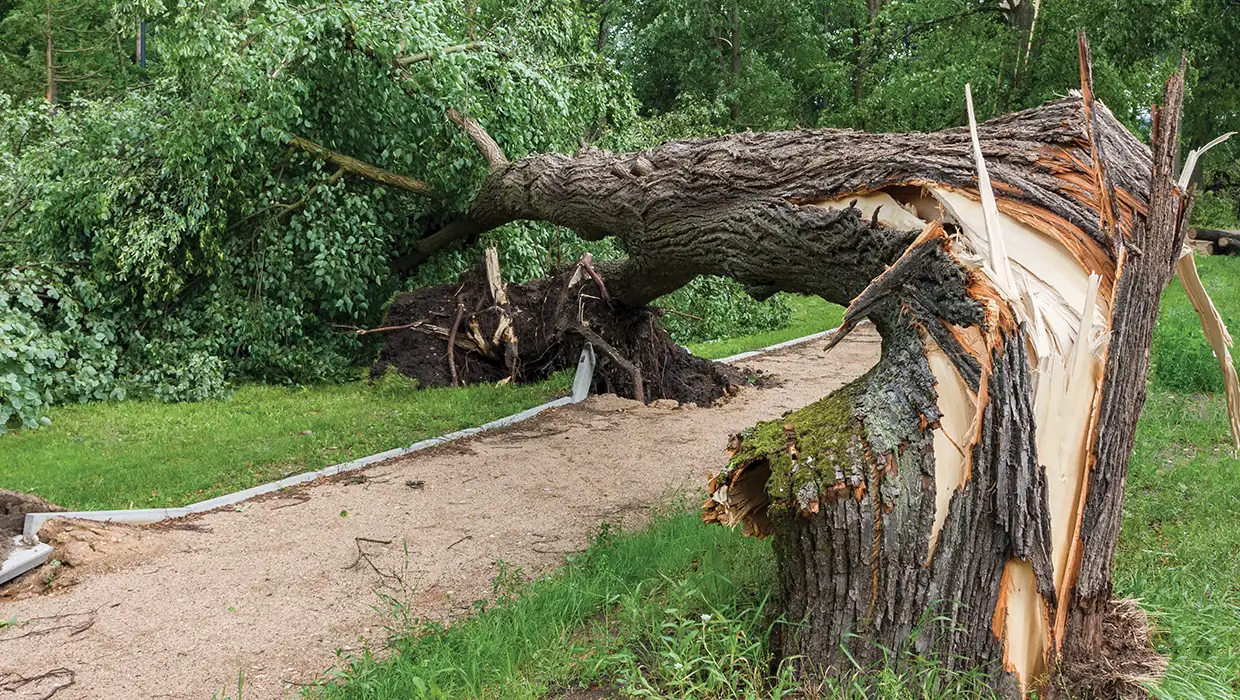
On September 1st, 2021 a tornado ripped through the heart of Temple Ambler’s 187-acre campus and arboretum, leaving behind a path of destruction. Founded in 1911, the Pennsylvania School of Horticulture for Women was one of the first of its kind in the United States...
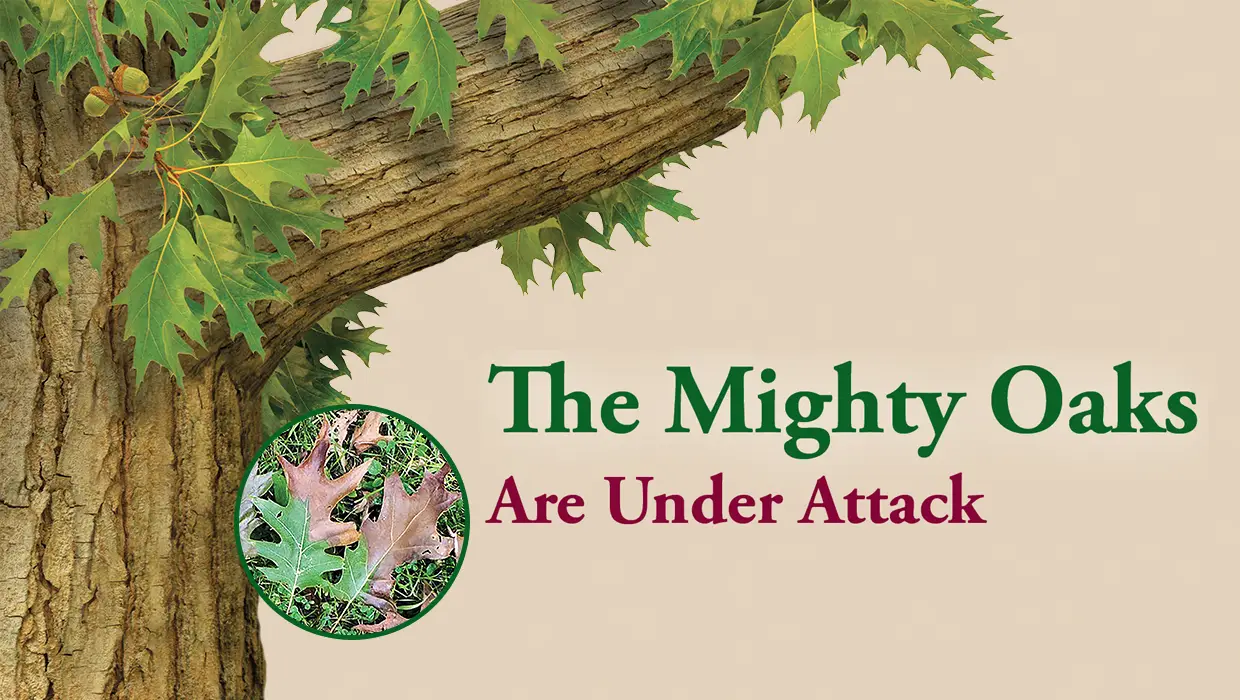
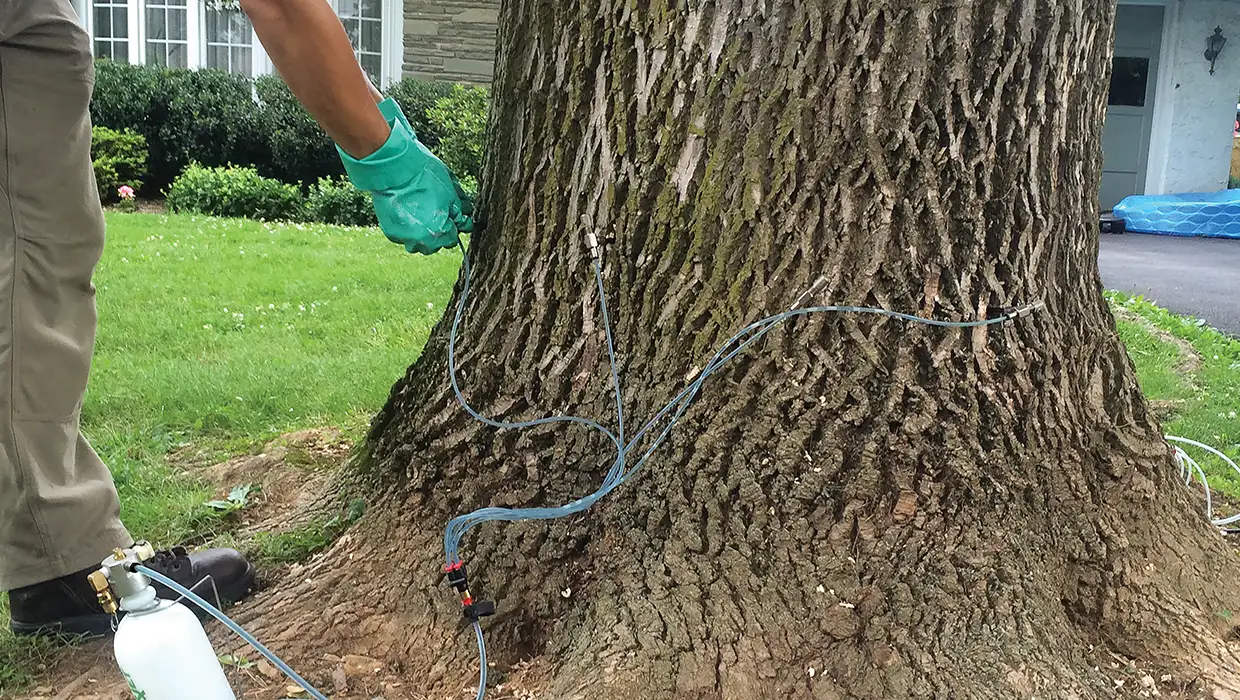
For several decades the oak species has been under attack due to bacterial leaf scorch. BLS is a bacterium that spreads by feeding insects. Once the bacterium colonizes an oak tree, a chronic decline of the tree is underway...
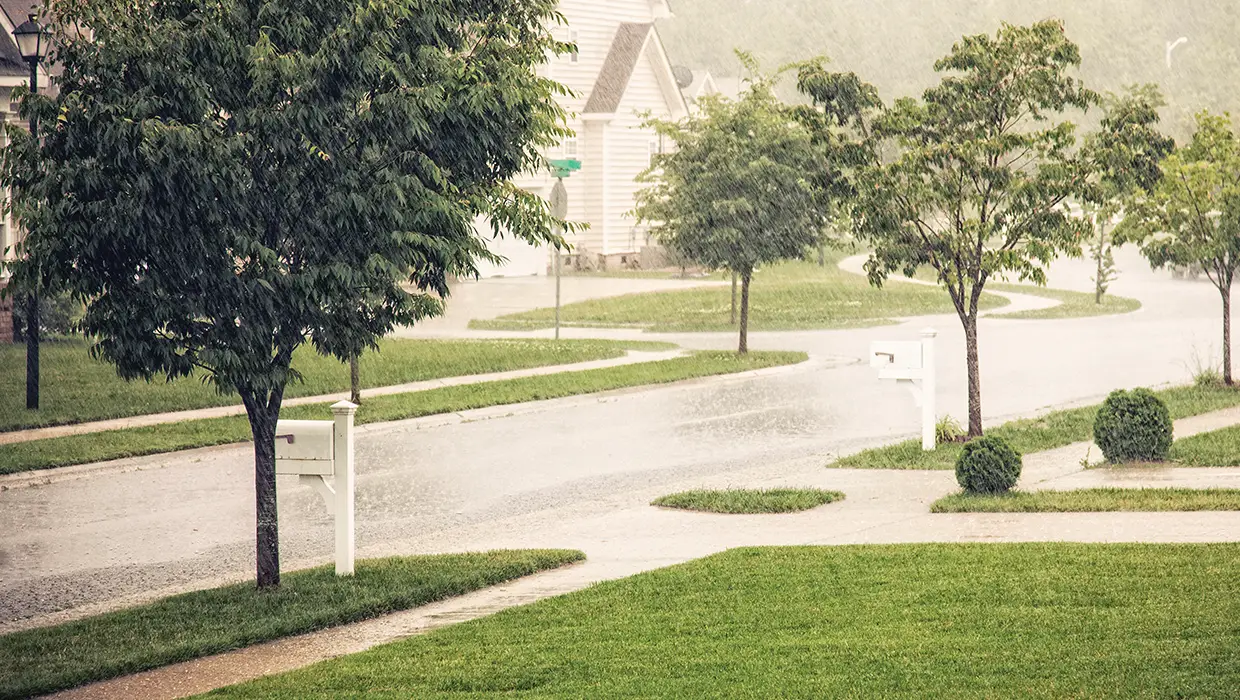
Over the past decade, storms have increased in their frequency and intensity. What were once considered “100 year” storms now seem commonplace. The heavy downpours have had more than one longtime client mentioning they noticed more runoff, erosion...
It has certainly been an eventful year. A warm, wet spring was ideal for fungal diseases that can defoliate deciduous trees early. Common fungal diseases include cedar apple rust on crabapples and leaf spot on cherry trees...
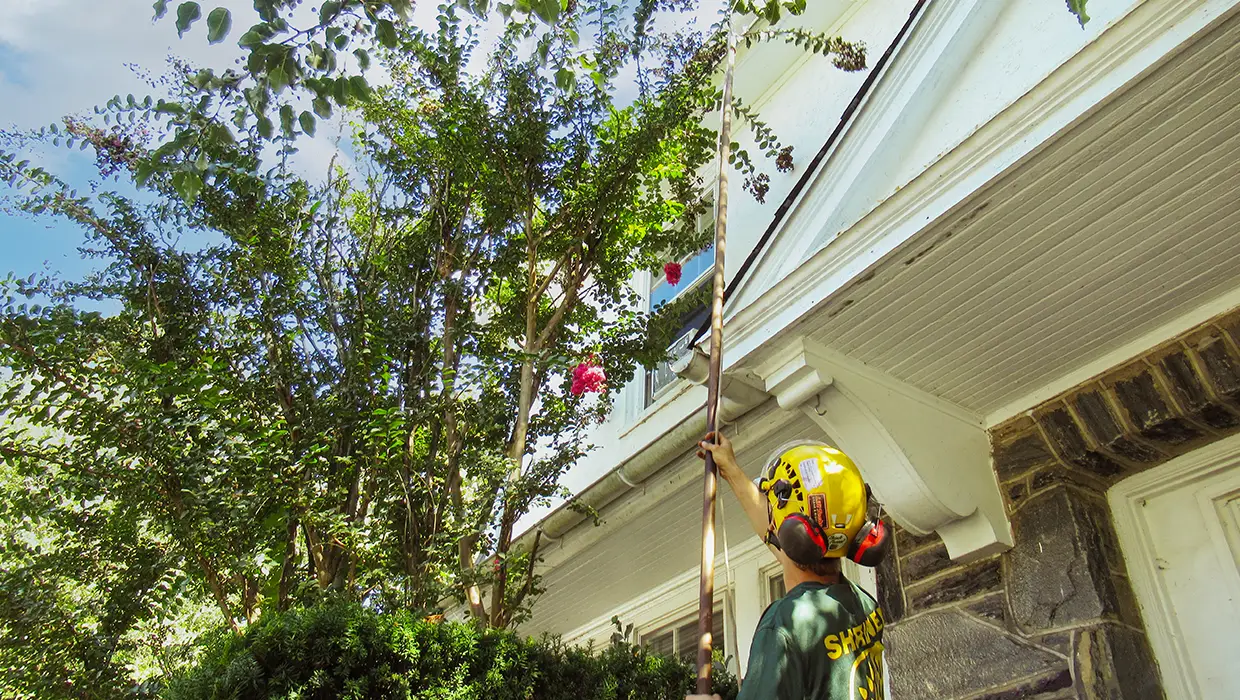
It will soon be time for the annual leaf cleanup on your property. Trees that shed their leaves are known as deciduous. Deciduous comes from the Latin word decidere, which means to fall down or fall off. Trees “cut off” their leaves in a process known as abscission...
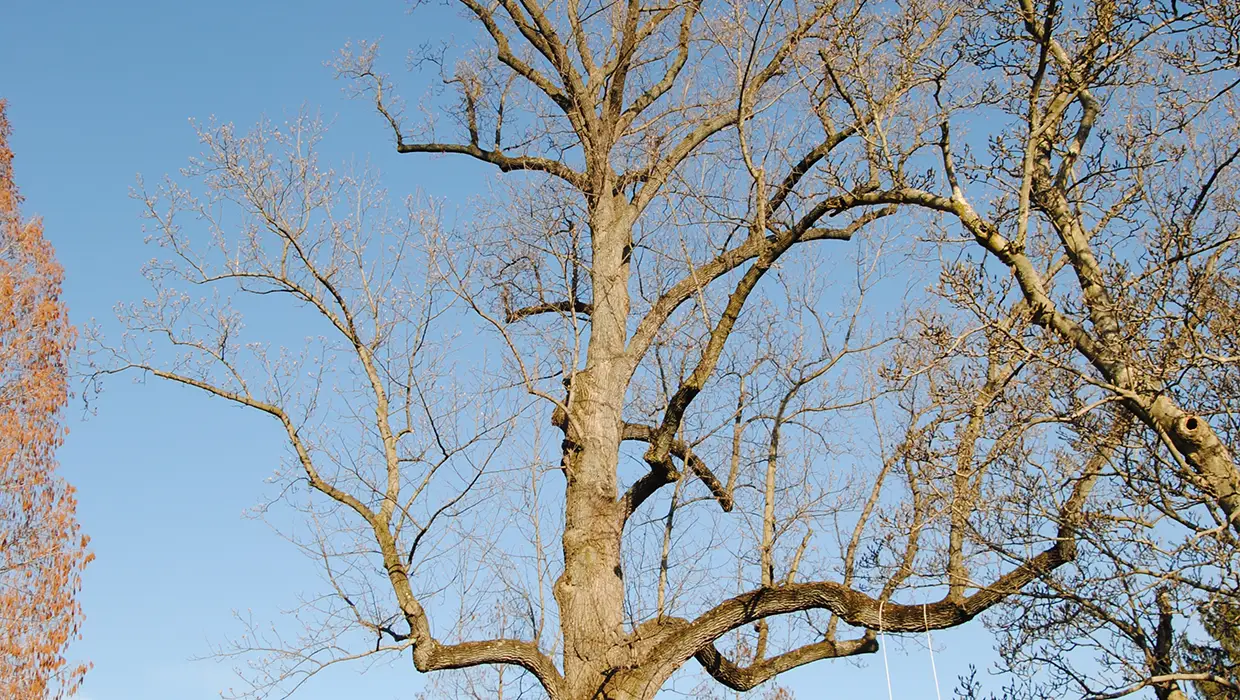
For many trees and shrubs, the winter dormant season is the best time to prune. Without the presence of leaves, it is easier to see the branch structure and create a more attractive shape. Dormant pruning reduces the damage caused by insects and diseases...