~From Roots to Shoots~
Think Trees! The Gingko Tree
The ginkgo tree (Ginkgo biloba), also known as the maidenhair tree, is native to China. Fossils of this tree have been found dating back 270 million years, making this species pre-historic. It was living during the Jurassic period! This living fossil isn’t the longest living tree, but it is the oldest species. The oldest living tree is the Bristlecone Pine. Some in California and Africa have been dated at over 5,000 years old.
Ginkgo trees tolerate pollution, confined soil spaces, diseases, and insect infestations. They are widely cultivated and thrive in difficult urban settings. Its fruit is well known for two reasons: the medicinal longevity benefits found in the seed, and secondly, when the fleshy covering of the fruit ripens and decomposes in the fall, it has an unpleasant odor. It is a dioecious species (separate sexes) so you can select to plant the male version without the offensive fruit.
After WWII, several ginkgos were found in Japan as the only living thing - plant or animal - to survive within a mile of the atomic bomb blasts in 1945. There are still six there today because as the country rebuilt, engineers preserved the surviving trees as a living memorial.
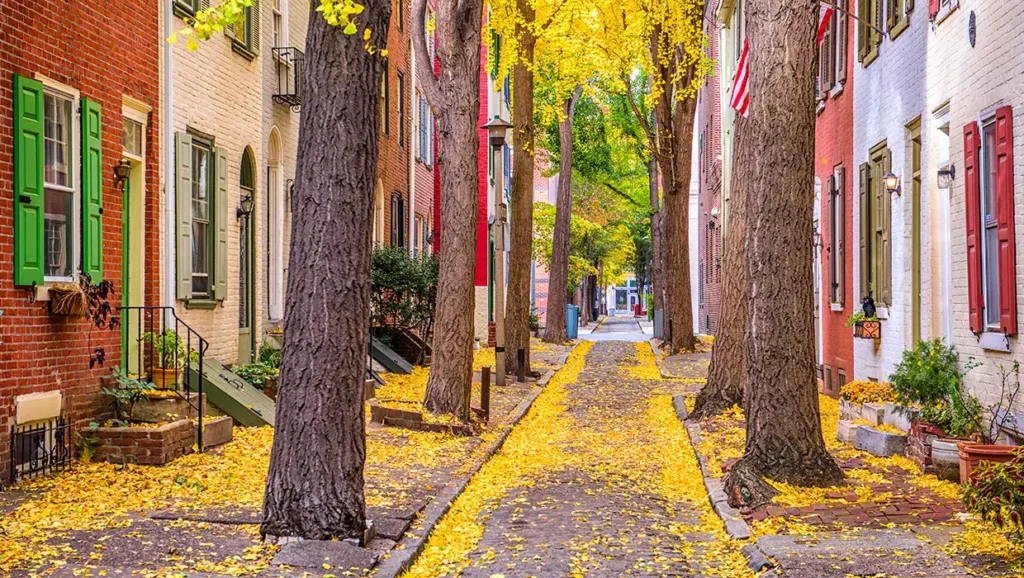
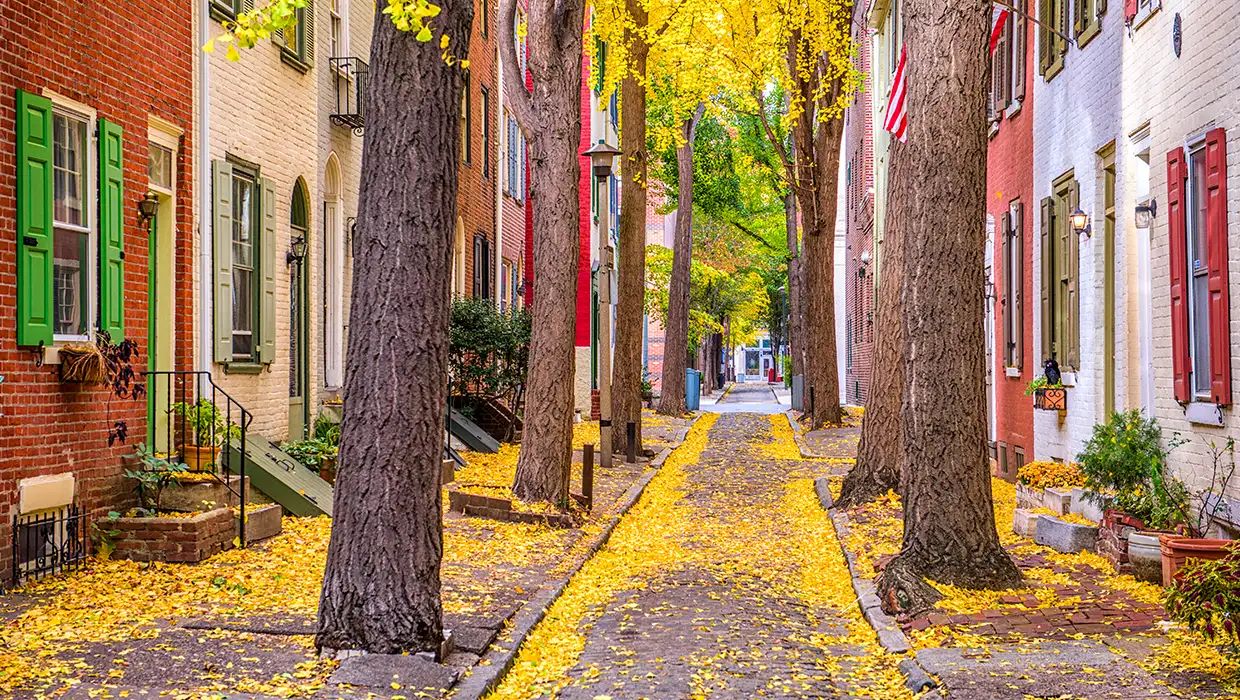
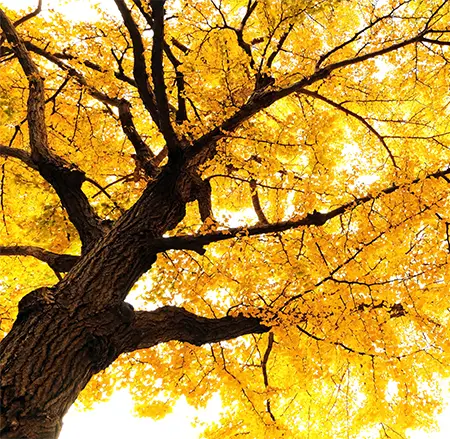
The ginkgo has many redeeming qualities. One such characteristic is in the fall, its leaves turn a brilliant yellow.
Consider this tree for your landscape, and remember that it can stand up to the test of time in the harshest conditions.