
~From Roots to Shoots~
Blooms and Booms: Philadelphia’s Explosive Flora
The weather of 2018 has been something of an anomaly. As of this publication, we are on track for the 7th highest rainfall in the past 100 years. Above average temperatures in February were quickly followed by deep freezes and snow storms in early March. Thunderstorms disrupted weekends, heat waves tested the strongest of air conditioners, and a few wind storms brought down trees on otherwise beautiful days.
In spite of the stormy weather, trees and shrubs have thrived in 2018. The rainfall to date is nearly equal to the annual totals for each of the previous 5 years. With an abundance of rain comes an abundance of growth. The bloom and boom of flora across the Delaware Valley is partly responsible for the numerous storm damage events we are seeing this year.
Excessive growth in trees is rarely a good thing. With heavy canopies and long, overextended limbs, trees become more susceptible to storm damage. Thick, dense tree canopies catch like a sail in the wind, putting undo stress on the trunk and branches. Large diameter limbs can break or worse, entire trees can uproot. The same concerns apply as we move into the winter season. With more surface area for snow and ice to sit on, trees bend and snap. Think back to the wide-spread damage during the Ice Storm of 2014.
Preventive maintenance goes a long way addressing potential problems in your landscape and around your house. Long limbs on white pines can be trimmed back into the canopy profile, trees pruned to reduce weight, dead limbs removed and cables installed to help support multi-stemmed trees.
Remember, tree pruning is not only important for tree health, but also for the safety of your property.
Invasive Insects
Borers, Beetles, and... Lanternfly?
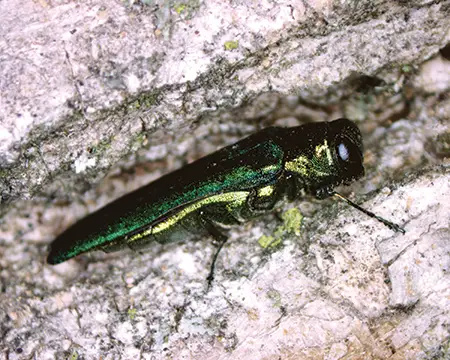
Emerald Ash Borer
By now, everyone has heard of the invasive Emerald Ash Borer. In our last newsletter we spoke about the dilemma facing homeowners and property managers across the state. This pest is here to stay and has the potential to kill every ash tree it encounters. It may still be possible to save your ash tree. Call us today to speak with an arborist to determine what options are available for your trees.
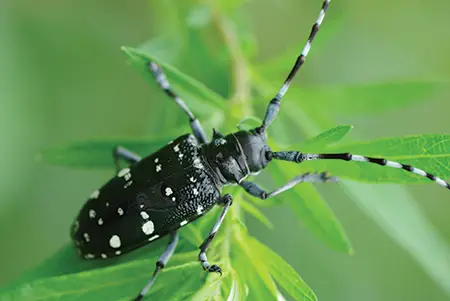
Asian Longhorned Beetle
The Asian Longhorned Beetle is a second invasive pest brought over in shipping containers to the United States. To date, it has been located in Ohio, New Jersey, and New York. While it has not yet been identified in Pennsylvania, our team of arborists is keeping a vigilant eye on your landscape.
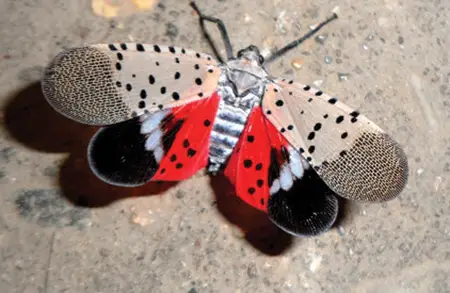
Spotted Lanternfly
The insect creating the most buzz in the landscape recently is the Spotted Lanternfly. This pest is an excellent hitchhiker and has moved rapidly through the state since first being identified in September, 2014. Spotted Lanternfly looks similar to a moth but cannot actually fly. It climbs to the top of a tree and glides to a nearby tree, shrub, house, car…. you name it. Although their preferred hosts are the Tree of Heaven and fruit trees, Spotted Lanternfly will indiscriminately feed on any tree and is a real nuisance in the landscape. Their large numbers and sugary excrement make them particularly troublesome, attracting wasps and other stinging insects to the area. Late Season scouting and treatment is the best way to protect your trees from this invasive pest.