Root Rot Diseases
Various species
Description
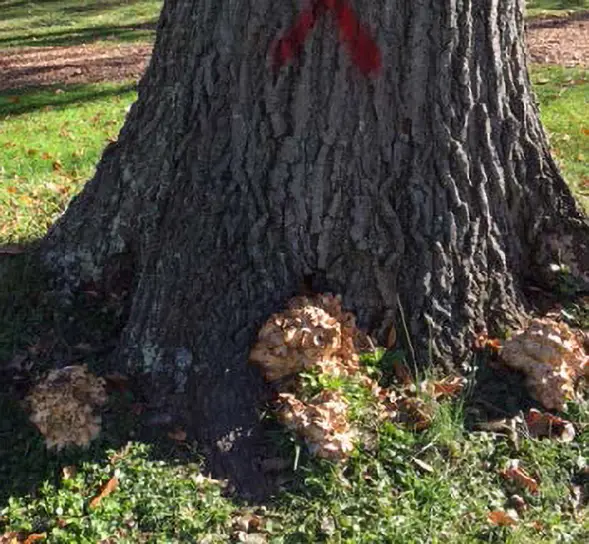
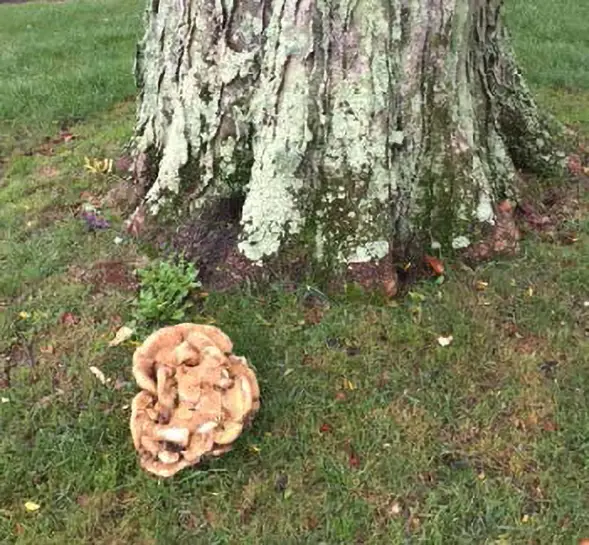
Root rot is a serious condition of all landscape trees and shrubs. A wide range of wood-decay fungi can affect trees and shrubs in different ways. Decreased vigor, stunted leaves, and mushrooms growing in the root system are all symptoms of root rot.
Symptoms & Diagnosis
Root Rot can be caused in several ways. Most often, a lack of oxygen in the soil is to blame. This can be from root loss due to construction, compaction or grade changes, and over-irrigating. Roots decay as they die, which can spread to healthy roots. Alternately, root rot can be caused by a fungus living in the soil. The fungus can remain dormant in the soil for many years before suddenly affecting a plant.
Treatment
Most root rots are untreatable. Often, it is recommended to remove the affected tree for safety reasons. Healthy, vigorous trees are best suited to resist infection. Therefore, maintaining trees free of insect and disease reduces the risk of trees becoming infected with root rot fungi.
Management
All trees and shrubs react differently to each type of root rot disease. A small shrub may wither and die slowly while a mature oak may become hazardous and necessitate removal. A Shreiner arborist can help make informed decisions to plan for your trees.
Affected Species
- All landscape trees and shrubs