Fall Webworm
Hyphantri Cunea
Description
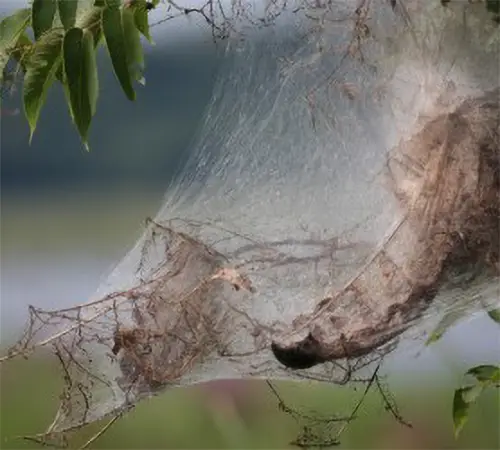
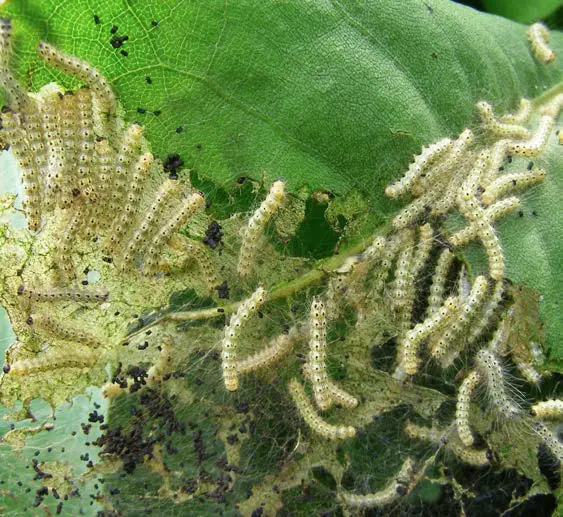
Fall Webworm is a native pest that is active during summer and fall. Fall webworm builds its web at the tips of branches of its host plant. The larval stage of this pest skeletonizes and consumes leaves inside the protection of a tent-like web that they enlarge as they grow and require additional food. They may defoliate a tree occasionally, but rarely kill it.
Symptoms & Diagnosis
The webs constructed by larvae of Fall Webworm are easily identifiable at the tips of branches in a trees canopy. These webs will continue to grow as the insect consumes more foliage. Damage is confined to the area within the webs.
Treatment
Scouting for and removing egg masses before hatching is the best way to reduce infestation. Properly timed applications may be used before the larvae fully mature. If webs are established, prune off affected branches or remove the webs by hand.
Management
Managing tree stress is a crucial component of insect management. Tree can remain healthier and aesthetically pleasing longer by properly managing water, avoiding compaction and grade changes, and controlling insects. Fertilization improves tree vigor.
Affected Species
- Wide variety of ornamental and landscape trees