Eriophyid Mites
Acari spp.
Description
Eriophyid mites infest a wide variety of host plant species throughout the residential landscape. They are slow moving and will range from yellow to white in color. Eriophyid mites overwinter as adult females in the crevices of twigs and bud scales. Females lay eggs in the spring with numerous generations produced each year. Certain species may act as vectors for fungal, bacterial, or viral infections. Damage from non-infectious species is usually a cosmetic concern.
Symptoms & Diagnosis
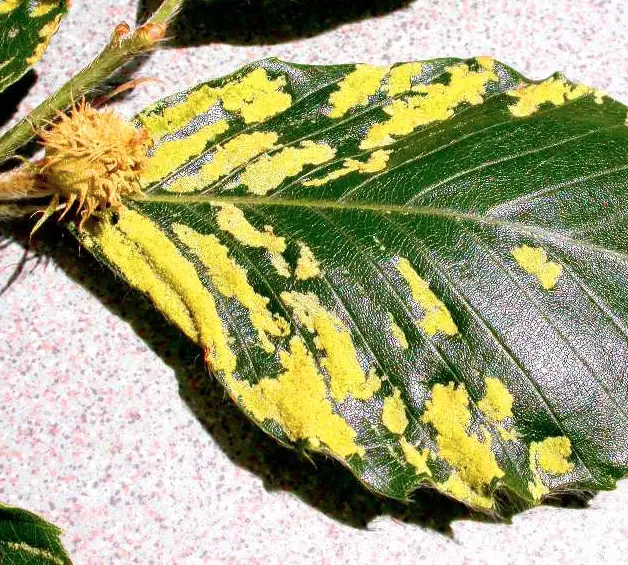
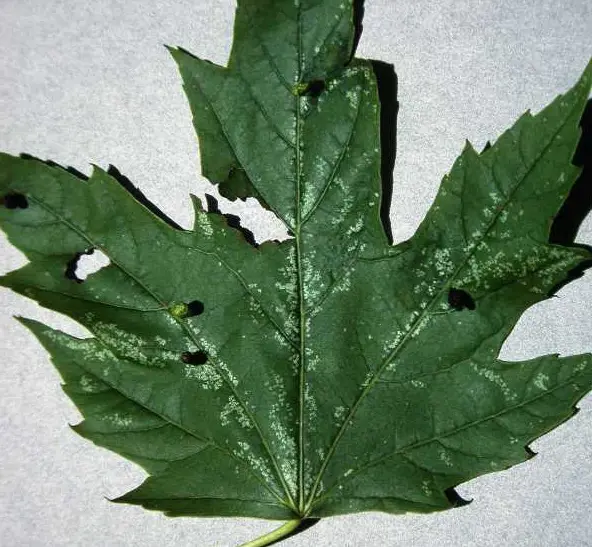
The extent of damage caused is dependent on the species of eriophyid mite. Feeding from some species may cause a bronzing or reddening of foliage, but other species may produce galls or witches'-broom on stems and flower buds. Conifers affected by mites will appear chlorotic and stunted.
Treatment
Appropriately-timed treatments during the early spring will help control severe outbreak. Multiple treatments may be required to provide adequate control. Light infestations should be monitored and treated conservatively. Applications could disrupt natural predator populations that keep sparse, existing eriophyid mite populations in check.
Management
Managing tree stress is a crucial component of insect management. Tree can remain healthier and aesthetically pleasing longer by properly managing water, avoiding compaction and grade changes, and controlling insects. Fertilization improves tree vigor.
Affected Species
- Cercis (Redbud)
- Fagus (Beech)
- Ligustrum (Privet)
- Acer (Maple)
- Pinus (Pine)