Boxwood Leafminer
Monarthropalpus flavus
Description
The boxwood leafminer is a common and serious pest of all Pennsylvanian plantings of boxwoods. Larvae overwinter within foliage and will consume plant tissue throughout early spring before pupating and emerging as adults. Adult leafminers are a small yellow, gnat-like fly that will lay new eggs within a boxwood. These eggs will hatch in 2-3 weeks and will continue to feed through the summer before overwintering. There is one generation per year.
Symptoms & Diagnosis
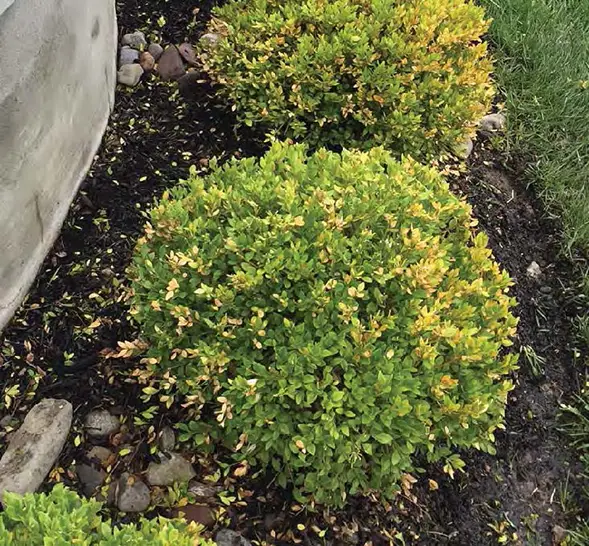
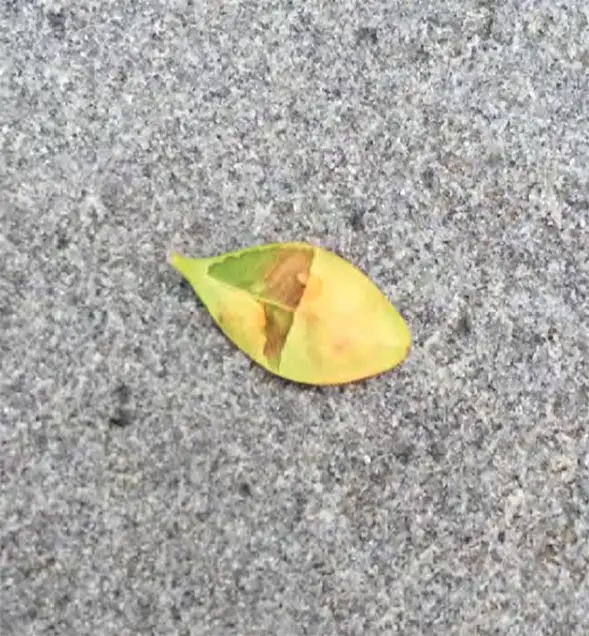
Leafminer larvae cause conspicuous, discolored blistering to appear on both the upper and lower sides of boxwood leaves. Larvae close to pupation will create a thin, clear "window" on the underside of leaves allowing for easy visual inspection. If infestation is heavy enough, it is possible to hear the larvae moving and feeding. Adults can be seen swarming around boxwoods when mating or if a host plant is brushed.
Treatment
Controlling boxwood leafminer damage in the landscape requires controlling both the adult and larval lifestages. To prevent larval damage and adult mating, systemic application may be applied to the soil or foliage before emergence. Contact and systemic treatments may be used in a curative manner after the adults have emerged.
Management
Proper management of Boxwood leafminer includes targeting both the larval and adult stages on insects. Timing is critical as mite outbreaks could occur. Leaves damaged by feeding will remain on the shrub until pruned or naturally falling off.
Affected Species
- Buxus spp. (Boxwood)