Phytophthora Root Rot
Phytopthora spp.
Description
Phytopthora root rot is a common landscape disease favored by excessive moisture and warm soil temperatures. The disease is most common in clay soils and landscape beds with poor drainage. Phytopthora root rot can infect and kill plants over several years or as rapidly as a month.
Symptoms & Diagnosis
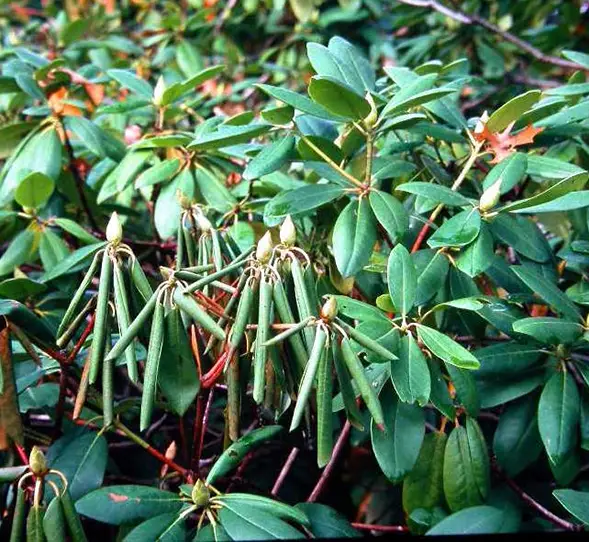
Phytopthora root rot begins in the roots and progresses up the stem into the plant. Examination of infected roots will reveal a lack of fibrous roots, with the larger roots appearing reddish brown to black in color. Healthy tissue will appear moist and light colored. Plants will lose vigor with their leaves turning chlorotic and curling inwards as the disease shuts down vascular flow.
Treatment
Managing water is critical to managing Phytopthora Root Rot. This includes improving drainage and avoiding excess irrigation. Fungicides to control active root rot require multiple treatments annually and must be alternated to avoid resistance.
Management
All trees and shrubs react differently to each type of root rot disease. A small shrub may wither and die slowly while a mature oak may become hazardous and necessitate removal. A Shreiner arborist can help make informed decisions to plan for your trees.
Affected Species
- All landscape trees and shrubs