Phytophthora Bleeding Canker
Phytophthora spp.
Description
Phytophthora species are soil-borne pathogens commonly referred to as "water molds." They are favored by wet soils with little oxygen. The pathogen kills trees and shrubs by growing up from the roots and into the lower trunk where lesions are formed. These lesions restrict nutrient movement to the canopy by clogging the xylem and phloem. Untreated, phytophthora is fatal.
Symptoms & Diagnosis
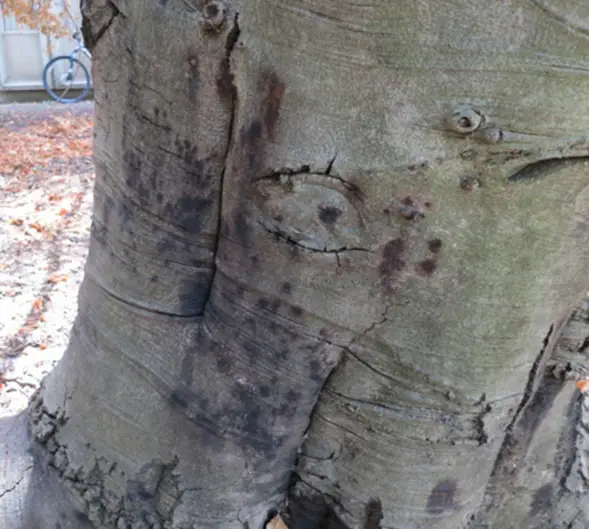
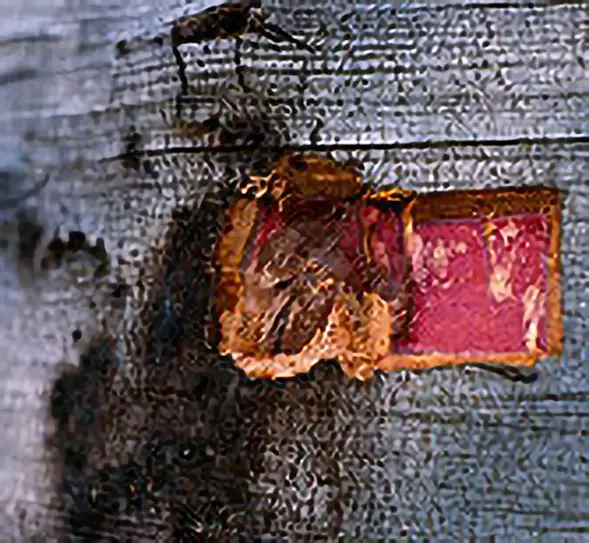
Symptoms may vary based on the species of phytophthora involved. In general, trees may develop darkened areas in the bark along the trunk and upper roots. Gum or dark sap may ooze from the margins of the diseased trunk area. Reddish brown streaks can be seen in the inner bark and outer layer of wood if the bark is peeled away. Field tests can definitively identify phytophthora.
Treatment
Cultural controls are the most effective way of managing phytophthora diseases. Providing good drainage to the root system limits the movement of phytophthora. Treatment options are available to help plants resist infection by the phytophthora pathogen and to protect new growth from infection.
Management
Managing tree stress is a crucial component of disease management. Trees can remain healthier and aesthetically pleasing longer by properly managing water, avoiding compaction and grade changes, and controlling insect damage. Fertilization improves tree vigor.
Affected Species
- Fagus grandifolia (American Beech)
- Fagus sylvatica (European Beech)
- Cornus florida (Flowering Dogwood)
- Liquidamber styraciflua (Sweet Gum)